Skip Navigation
Skip to contents

Journal of Microbiology : Journal of Microbiology

OPEN ACCESS
SEARCH
Search

Articles

Page Path
HOME > J. Microbiol > Ahead of print > Article
Research article
Genotoxicity, acute and subchronic oral toxicity assessments of postbiotics of Lacticaseibacillus rhamnosus IDCC 3201
Shin-Yae Choi1,†, Dahae Hong2,†, Jin Seok Moon3, O-Hyun Ban3, Hee-Won Bae1,*orcid, Tae-Yoon Kim1,*orcid, You-Hee Cho1

DOI: https://doi.org/10.71150/jm.2605002
Published online: June 12, 2026

1Department of Pharmacy, College of Pharmacy and Institute of Pharmaceutical Sciences, CHA University, Seongnam 13488, Republic of Korea

2Ildong Pharmaceuticals Co. Ltd., Seoul 06752, Republic of Korea

3Ildong Bioscience, Pyeongtaek 17957, Republic of Korea

*Correspondence Hee-Won Bae whitebb0412@cha.ac.kr Tae-Yoon Kim imaeoon2114@gmail.com
†These authors contributed equally to this work.
• Received: May 8, 2026   • Revised: May 18, 2026   • Accepted: May 20, 2026

© The Microbiological Society of Korea

This is an Open Access article distributed under the terms of the Creative Commons Attribution Non-Commercial License (http://creativecommons.org/licenses/by-nc/4.0) which permits unrestricted non-commercial use, distribution, and reproduction in any medium, provided the original work is properly cited.

  • 49 Views
  • 5 Download
  • Postbiotics derived from lactic acid bacteria (LAB) have attracted growing interest as stable and potentially safer alternatives to probiotics for use in foods and health-related products. Comprehensive safety evaluation remains essential before their broader application. In this study, we assessed the safety profiles of RHT3201, a postbiotic preparation derived from Lacticaseibacillus rhamnosus IDCC 3201, through genomic, genotoxic, acute oral, and subchronic oral toxicity studies. Whole-genome analysis showed that IDCC 3201 lacks antimicrobial resistance genes and exhibits no hemolytic activity, supporting the genomic safety of the source strain. RHT3201 showed no genotoxic potential in either in vitro or in vivo assays, as evidenced by no structural or numerical chromosomal aberrations at concentrations up to 5,000 μg/ml in CHL/IU cells and no increase in micronucleated polychromatic erythrocytes, with no suppression of bone marrow erythropoiesis by oral administration of RHT3201 at doses up to 15,000 mg/kg/day using a mouse model. In rats, single oral doses of up to 15,000 mg/kg caused no mortality, treatment-related clinical signs, or gross pathological abnormalities, indicating an approximate lethal dose greater than 15,000 mg/kg. In a 90-day repeated-dose oral toxicity study, no adverse treatment-related effects were observed at doses up to 5,000 mg/kg/day. Mild liver and thyroid histopathological findings were considered adaptive and reversible. Accordingly, the no-observed-adverse-effect level was determined to be 5,000 mg/kg/day. Taken together, these findings support the safety of RHT3201 as a LAB-derived postbiotic ingredient.
Postbiotics, comprising non-viable microbial cells and their metabolites, have emerged as promising agents for promoting human health without the risks associated with live microorganisms (Aguilar-Toalá et al., 2018; Salminen et al., 2021). Lactic acid bacteria (LAB), including Lactobacillus and related genera, have long been recognized for their beneficial effects on host physiology. Numerous studies have demonstrated that LAB contribute to the maintenance of intestinal homeostasis by modulating the gut microbiota, enhancing epithelial barrier function, and regulating immune responses (Kim et al., 2017, 2026a; Lebeer et al., 2008; Lee at al., 2018; Ouwehand et al., 2002; Song et al., 2025). In particular, LAB are known to exert immunomodulatory effects by influencing the balance of pro- and anti-inflammatory cytokines, such as interleukin (IL)-10, IL-12, and tumor necrosis factor-α (TNF-α), thereby playing a role in the prevention of inflammatory and allergic diseases (Plaza-Díaz et al., 2017; Taverniti and Guglielmetti, 2011). In addition, LAB have been reported to exhibit antioxidant activity and to inhibit the growth of pathogenic microorganisms through the production of organic acids and antimicrobial compounds (Lebeer et al., 2008; Lin and Yen, 1999).
Traditionally, these health-promoting effects have been attributed to probiotics, which are defined as live microorganisms that confer health benefits to the host when administered in adequate amounts. However, the requirement for microbial viability poses several limitations (Hill et al., 2014; Sanders et al., 2010). The stability of probiotic products can be affected by storage conditions, processing, and gastrointestinal environments, leading to reduced viability and inconsistent efficacy. Moreover, the use of live microorganisms may raise safety concerns, particularly in immunocompromised individuals, where cases of bacteremia and opportunistic infections have been occasionally reported (Imperial and Ibana, 2016; Sanders et al., 2010). These limitations have prompted increasing interest in alternative approaches that can retain the beneficial effects of probiotics while minimizing associated risks, as exemplified by postbiotics defined as a preparation of inanimate probiotic microorganisms and/or their components that confers the beneficial effects of the probiotics (Aguilar-Toalá et al., 2018; Salminen et al., 2021). Nevertheless, comprehensive safety evaluation still remains a critical prerequisite for the development and commercialization of such postbiotic products. As postbiotics are derived from microbial sources, it is essential to ensure that they do not contain harmful genetic elements, such as antimicrobial resistance genes or virulence factors that could elicit pathogenic responses in the host, and that they do not induce genotoxic or systemic toxic effects upon administration. In particular, evaluating the genotoxic potential is crucial, as substances capable of damaging genetic material may lead to mutations and carcinogenesis (Kirkland et al., 2005; OECD, 2016a, 2016b). Regulatory frameworks, including those proposed by the European Food Safety Authority, emphasize the importance of assessing genomic safety, antimicrobial susceptibility, and toxicological profiles to establish the safety of microbial-derived products intended for human consumption (EFSA Scientific Committee, 2025). Accordingly, genotoxicity assays, as well as acute and repeated-dose toxicity studies, are considered essential components of safety assessment, providing insights into both the immediate and long-term effects of a substance following single or repeated exposure (OECD, 2008, 2018).
Lacticaseibacillus rhamnosus IDCC 3201 is a well-characterized strain originally isolated from a breast milk-fed infant and has been investigated for its potential health-promoting properties (Chae et al., 2022; Kwon et al., 2024). The tyndallized form of this strain, referred to as RHT3201, consists of heat-inactivated bacterial cells and culture-derived components, which may retain bioactive functionality while eliminating risks associated with microbial viability (Piqué et al., 2019). Previous studies have suggested that RHT3201 exhibits beneficial effects, including immunomodulatory and antioxidant activities, supporting its potential application as a functional ingredient (Kim et al., 2026b). In the present study, we evaluated the comprehensive safety profiles of RHT3201 through a multi-layered approach, including genomic analysis, genotoxicity assessment using in vitro and in vivo assays, and acute and subchronic oral toxicity studies in rodents. These investigations provide essential evidence supporting the safe use of RHT3201 as a postbiotic ingredient for potential applications in food and health-related products.
Bacterial strains and growth conditions
L. rhamnosus IDCC 3201 (ATCC BAA-2836) was cultured in whey-based medium at 37°C for 16 h. Bacterial cells and culture supernatant were separated by centrifugation (8,000 rpm, 10 min). The supernatant was concentrated using a vacuum evaporator and mixed with cornstarch powder (Daesang, Korea) at a 2:1 ratio. Bacterial pellets were heat-inactivated at 70°C for 2 h. Both fractions were lyophilized separately and subsequently combined to obtain the final product (RHT3201), containing 2.5 × 10¹⁰ CFU/g of inactivated cells and 120 mg/g of lactic acid.
Whole genome sequencing and strain identification
Genomic DNA was extracted using the DNeasy Blood & Tissue Kit (Qiagen, Germany), and DNA quality and concentration were assessed using a NanoVue spectrophotometer (GE Healthcare, UK). Whole genome sequencing (WGS) was performed using a hybrid approach combining PacBio RS II (Pacific Biosciences, USA) and Illumina MiSeq (Illumina, USA) platforms. Libraries were prepared using the Nextera DNA Sample Preparation Kit and Index Kit (Illumina, USA), followed by purification with AMPure XP beads (Beckman Coulter, USA). Sequence reads were assembled using HGAP3 and corrected using Pilon. The obtained genome sequence (accession number: NZ_CP045531) was compared with reference strains of L. rhamnosus, including HN001 (accession number: NZ_CP174514) and GG (accession number: NZ_CP031290).
Antibiotic susceptibility test
Antibiotic susceptibility was determined by the broth microdilution method according to CLSI guidelines (CLSI, 2026). The following antibiotics were tested: ampicillin (Sigma-Aldrich, USA), chloramphenicol (Sigma-Aldrich, USA), clindamycin (Sigma-Aldrich, USA), erythromycin (TCI, Japan), gentamicin (Sigma-Aldrich, USA), kanamycin (Sigma-Aldrich, USA), streptomycin (TCI, Japan), tetracycline (Sigma-Aldrich, USA), and vancomycin (Sigma-Aldrich, USA). MIC values were interpreted as described elsewhere (Kim et al., 2024).
Virulence associated gene analysis
The search for virulence factors in WGS of IDCC 3201 was completed using the Virulence Factors Database hosted by Institute of Pathogen Biology (http://www.mgc.ac.cn/) (Liu et al., 2019). Additionally, the WGS of L. rhamnosus IDCC 3201 was compared with virulence genes of four pathogens (E. coli, Enterococcus, Listeria, and Staphylococcus aureus) using VirulenceFinder2.0 hosted by the Center for Genomic Epidemiology (http://www.genomicepidemiology.org/) (Joensen et al., 2014).
Hemolysis
Hemolytic activity was evaluated using blood agar base (MB Cell, USA) supplemented with 1.5% Bacto agar (BD Difco, USA) and 7% sheep or horse blood (MB Cell, USA). Plates were incubated at 37°C for 48 h under anaerobic conditions. Hemolytic patterns were classified as α-, β-, or γ-hemolysis based on the presence or absence of hemolytic zones. Streptococcus pneumoniae ATCC 6305, Staphylococcus aureus ATCC 25923, and Enterococcus faecalis ATCC 29212 were used as controls.
Dose formulation and analysis
Water for injection served as the vehicle. The test item was suspended in the vehicle to prepare homogeneous dosing formulations, sampled from the top, middle, and bottom to confirm homogeneity. Formulations at 10 and 500 mg/ml were stable and homogeneous for 4 h at room temperature and for 8 days refrigerated (2–8°C). Lactic acid, a marker compound of RHT3201, was analyzed by UPLC (ACQUITY UPLC, Waters, USA). Concentrations were verified before dosing. Analyses were performed once for the in vitro chromosomal aberration assay, micronucleus assay in mice, and acute toxicity study in rats, and twice (before the first and last treatments) for the subchronic toxicity study in rats.
In vitro chromosomal aberration assay
The in vitro chromosomal aberration assay was conducted using Chinese hamster lung (CHL/IU) cells (ATCC, USA) in accordance with OECD Test Guideline 473 (OECD, 2016a). Cells were treated with RHT3201 at concentrations of 0, 1,250, 2,500, and 5,000 μg/ml, with or without metabolic activation (S9 mix, Aroclor 1254-induced rat liver). Mitomycin C and benzo[a]pyrene were used as positive controls. Chromosomal aberrations were evaluated from 300 metaphase cells per dose.
Micronucleus assay in mice
The in vivo micronucleus assay was performed in male ICR mice (Samtako Inc., Korea) following OECD Test Guideline 474 (OECD, 2016b). RHT3201 was administered orally at doses of 0, 3,750, 7,500, and 15,000 mg/kg. Mitomycin C (Sigma-Aldrich, USA) was used as a positive control. Bone marrow cells were collected 24 h after the final administration and analyzed for micronucleated polychromatic erythrocytes (MNPCEs) and the PCE/NCE ratio.
Acute oral toxicity study in rats
Acute oral toxicity was evaluated in male and female Sprague-Dawley (SD) rats (Samtako Inc., Korea) in accordance with OECD Test Guideline 420 (OECD, 2008). RHT3201 was administered orally at doses of 0, 1,500, 5,000, and 15,000 mg/kg. Animals were observed for 14 days for mortality, clinical signs, and body weight changes, followed by gross necropsy.
Subchronic oral toxicity study in rats
Subchronic toxicity was assessed in male and female SD rats (Samtako Inc., Korea) following OECD Test Guideline 408 (OECD, 2018). RHT3201 was administered orally at doses of 0, 800, 2,000, and 5,000 mg/kg/day for 90 days, followed by a 28-day recovery period. Clinical observations, body weight, food consumption, clinical pathology, organ weights, and histopathological examinations were conducted.
Genomic safety assessment of the source strain
To verify the intrinsic safety of Lacticaseibacillus rhamnosus IDCC 3201 at the molecular level, we conducted a comprehensive genomic characterization using whole-genome sequencing (WGS). This high-resolution approach is essential for identifying potential genetic determinants associated with pathogenicity or transmissible antimicrobial resistance that may not be apparent through phenotypic testing alone (EFSA Scientific Committee, 2024).
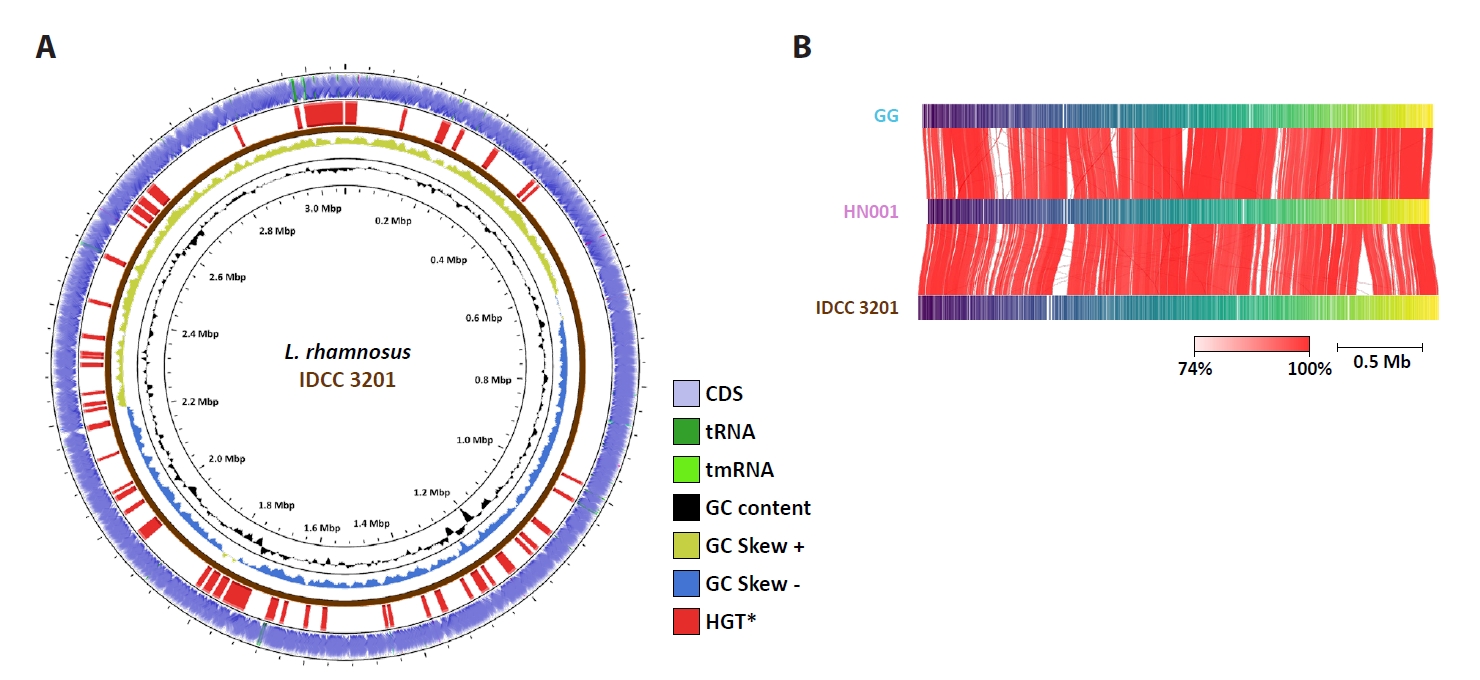
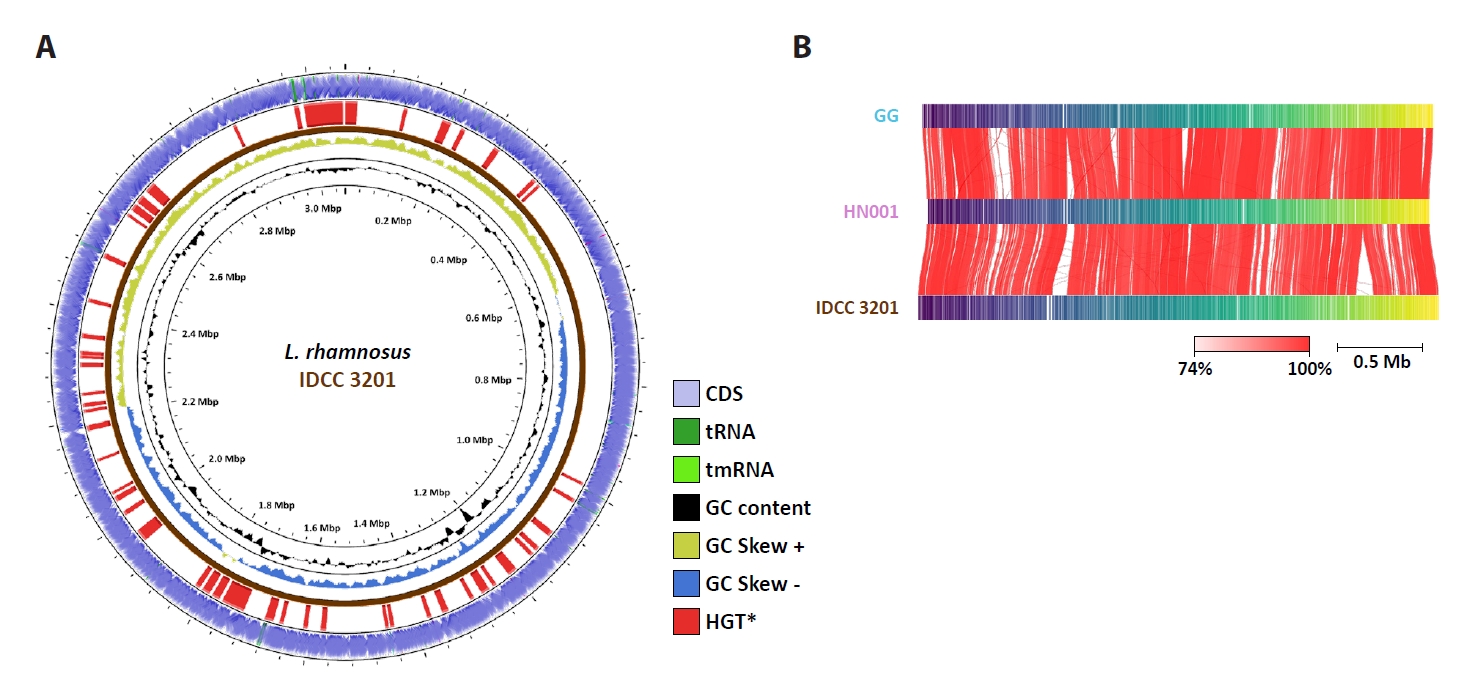
The WGS analysis revealed that the IDCC 3201 genome consists of a single circular chromosome of 3,064,263 bp with a G + C content of 46.69%, which aligns with the established genomic architecture of the L. rhamnosus species (Fig. 1). To confirm its taxonomic identity and safety by association, we performed a comparative genomic analysis against two well-characterized probiotic strains: L. rhamnosus HN001 and GG. IDCC 3201 exhibited Average Nucleotide Identity (ANI) values of 98.01% (vs. HN001) and 98.25% (vs. GG), confirming its close phylogenetic relationship with these established probiotic strains (Table 1).
A critical safety requirement for probiotics is the absence of acquired or transferable antibiotic resistance genes (Sanders et al., 2010). To address this, we screened the IDCC 3201 genome against the Comprehensive Antibiotic Resistance Database (CARD). No acquired resistance genes associated with clinically relevant antimicrobials were detected. To validate these genomic findings, we conducted phenotypic antibiotic susceptibility testing in accordance with established regulatory guidelines (CLSI, 2026). IDCC 3201 demonstrated susceptibility to a broad spectrum of antibiotics, including ampicillin, erythromycin, clindamycin, tetracycline, and gentamicin. Notably, the Minimum Inhibitory Concentration (MIC) values were comparable to or lower than those of the reference strain L. rhamnosus HN001, indicating a lack of atypical resistance (Table 2).
To further ensure that IDCC 3201 does not harbor pathogenic potential, we systematically analyzed its genome using the Virulence Factors Database (VFDB) and VirulenceFinder. No genes associated with known pathogenic bacteria, such as Escherichia coli, Enterococcus spp., Listeria monocytogenes, or Staphylococcus aureus, were identified. While genomic screening provides a predictive baseline, we performed phenotypic assays to exclude the presence of harmful metabolic activities: we first confirmed that IDCC 3201 lacks hemolytic activity (i.e., γ-hemolysis) (Table S1), a finding consistent with our genomic predictions.
These genomic and phenotypic evaluations demonstrate that L. rhamnosus IDCC 3201 does not harbor genetic or metabolic traits associated with virulence, acquired antimicrobial resistance, or the production of toxic metabolites. These results establish a comprehensive safety profile for its use in probiotic applications.
Genotoxicity assessment
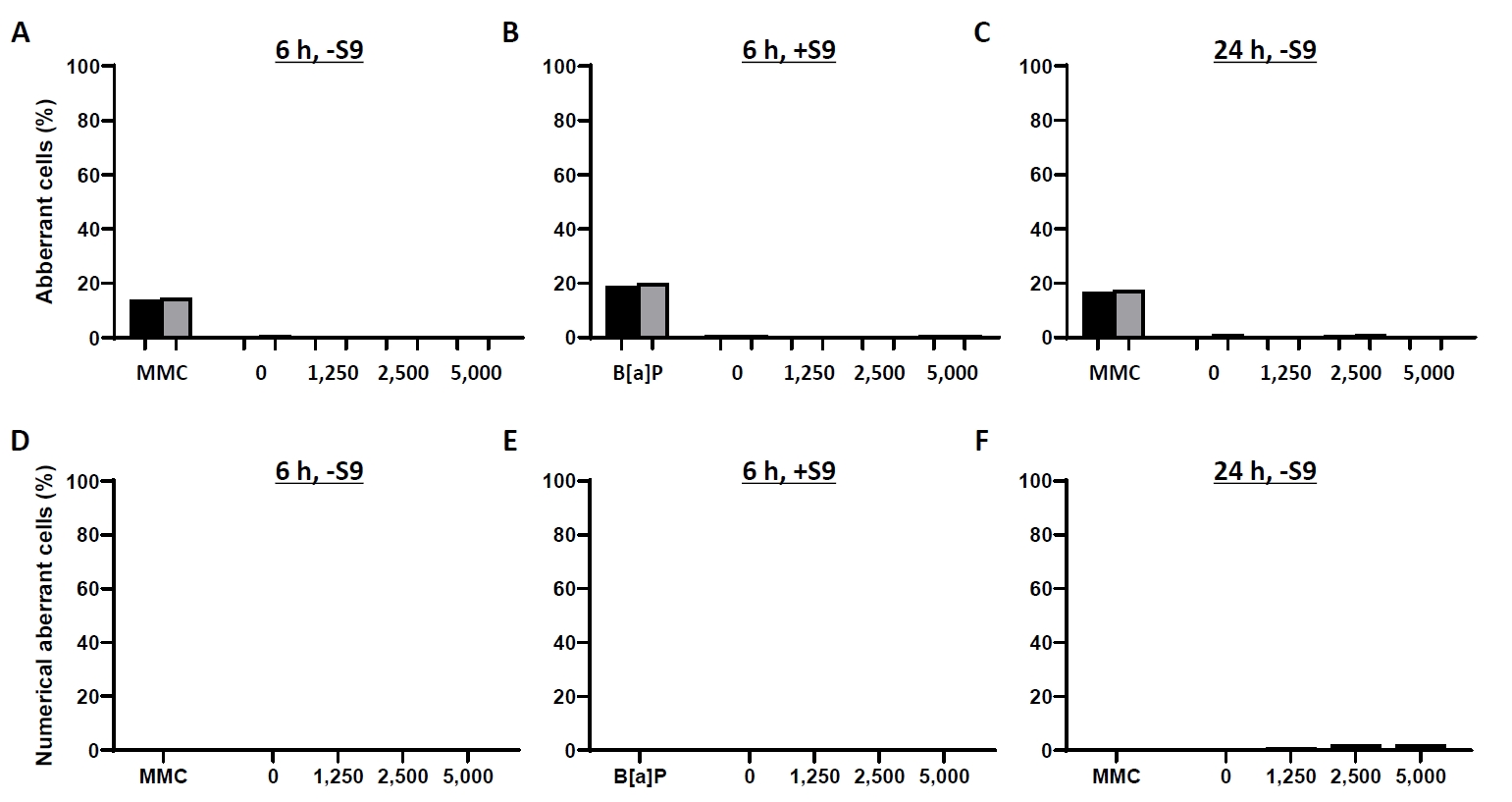
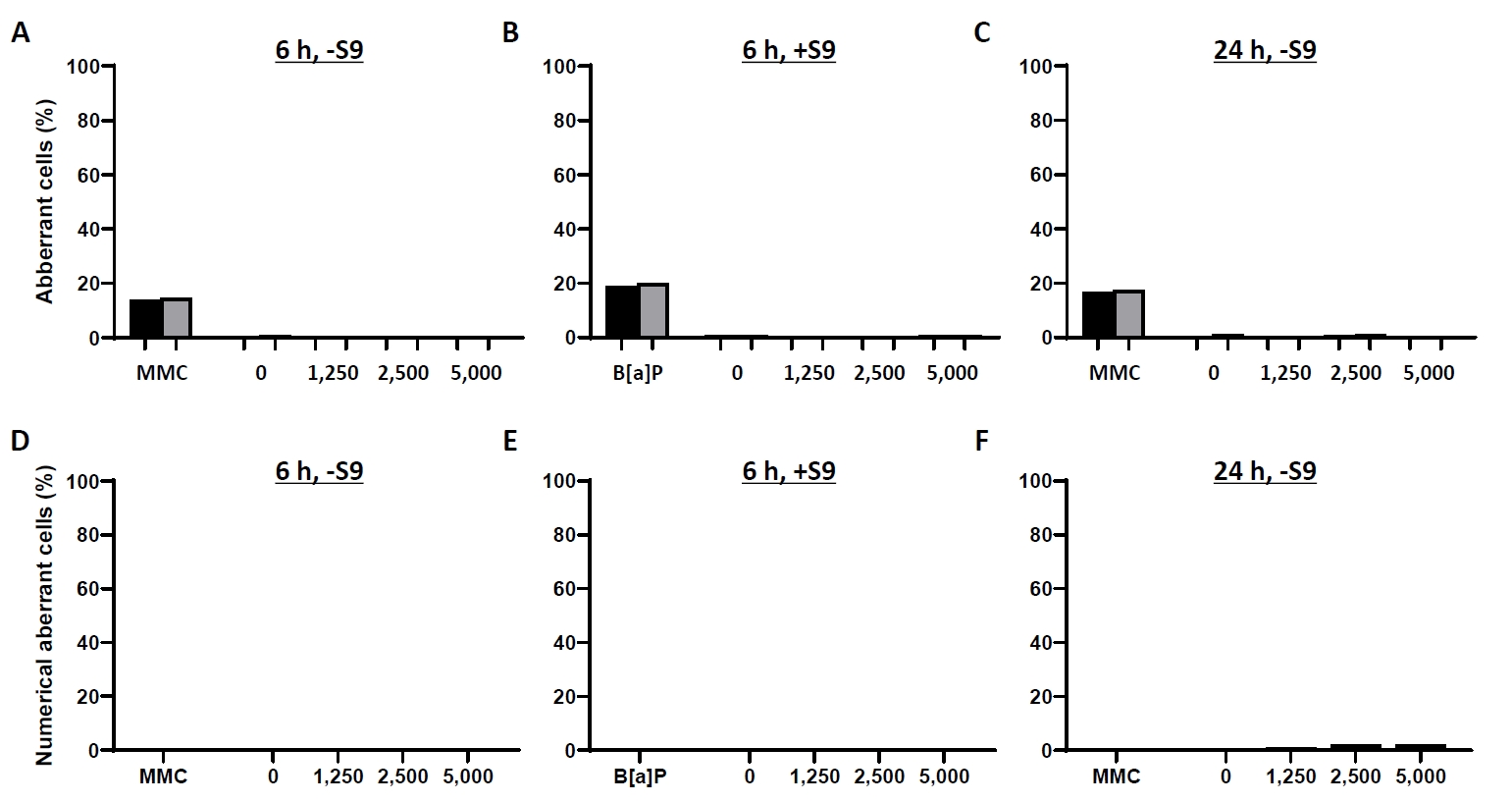
To ensure that RHT3201 does not pose a risk of hereditary damage or carcinogenic potential through DNA modification, we conducted a comprehensive genotoxicity assessment. Following international safety guidelines, we utilized a multi-tiered approach: an in vitro assay to detect cellular-level chromosomal damage and an in vivo study to evaluate systemic genetic stability in a mammalian model (OECD, 2016a, 2016b). We first performed an in vitro chromosomal aberration assay using Chinese Hamster Lung (CHL/IU) cells. Under all treatment conditions, RHT3201 demonstrated a high safety margin, with no evidence of cytotoxicity at concentrations up to 5,000 μg/ml. While the positive controls (mitomycin C and benzo[a]pyrene) induced the expected significant increases in chromosomal aberrations, RHT3201-treated cells showed no statistically significant differences compared to the vehicle control (Fig. 2). These results suggest that RHT3201 does not interfere with chromosomal integrity at the cellular level.
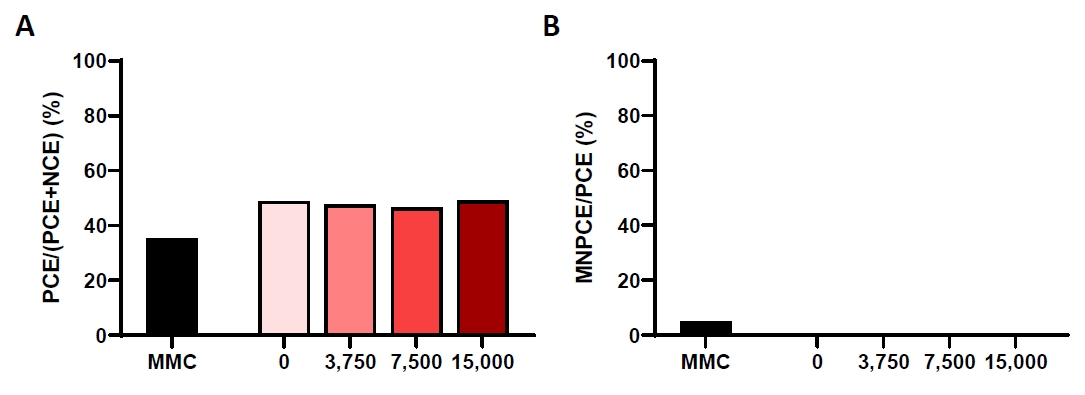
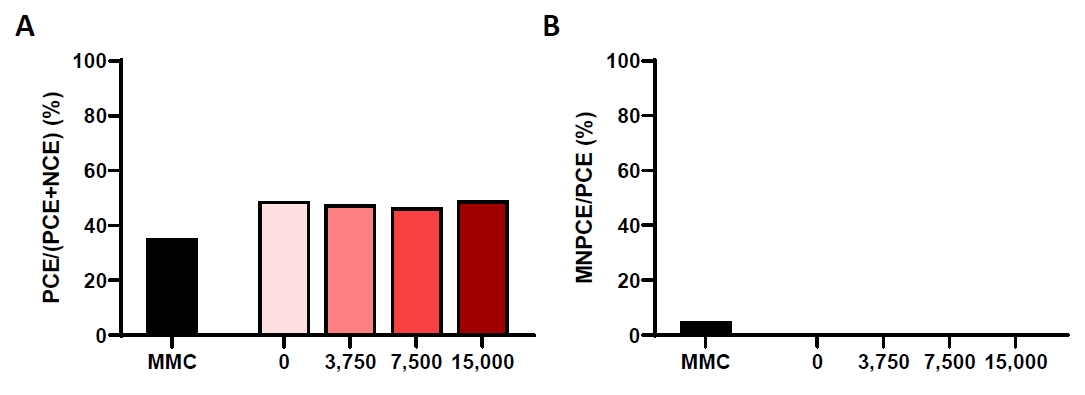
While in vitro results provide a sensitive baseline, evaluating genotoxicity in a whole-animal model is essential to account for mammalian metabolism, distribution, and the complex environment of bone marrow erythropoiesis. Consequently, we performed an in vivo micronucleus assay using ICR mice to detect clastogenicity (chromosomal breakage) or aneugenicity (damage to the mitotic apparatus). To determine if RHT3201 reached the target tissue and affected cell production, we monitored the proportion of polychromatic erythrocytes (PCE) relative to total erythrocytes (the PCE/(PCE+NCE) ratio). As shown in Fig. 3, this ratio did not decrease in a dose-dependent manner compared to the control group, indicating that RHT3201 does not inhibit bone marrow erythropoiesis or induce systemic cytotoxicity even at the doses up to 15,000 mg/kg/day administered twice at a 24-h interval. The definitive parameter for genetic damage in this model is the frequency of micronucleated polychromatic erythrocytes (MNPCEs). In contrast to the positive control (mitomycin C at 2 mg/kg/day), which produced significant genetic damage, RHT3201-treated mice showed no statistically significant or biologically relevant increase in MNPCEs. The lack of a dose-dependent trend in MNPCE frequency confirms that the compound does not induce chromosomal damage in vivo. The cumulative data from both in vitro chromosomal aberration and in vivo micronucleus assays demonstrate that RHT3201 is neither clastogenic nor aneugenic under the conditions tested. Based on these findings, we conclude that RHT3201 exhibits no genotoxic potential, supporting its safety for further therapeutic or commercial development.
Oral toxicity assessment
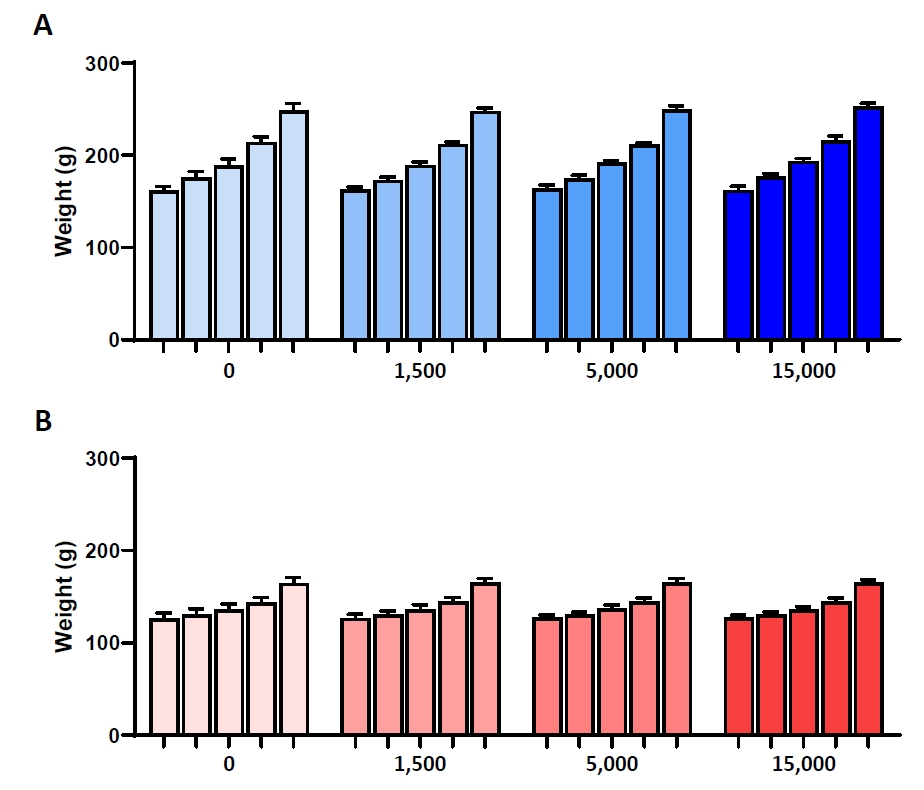
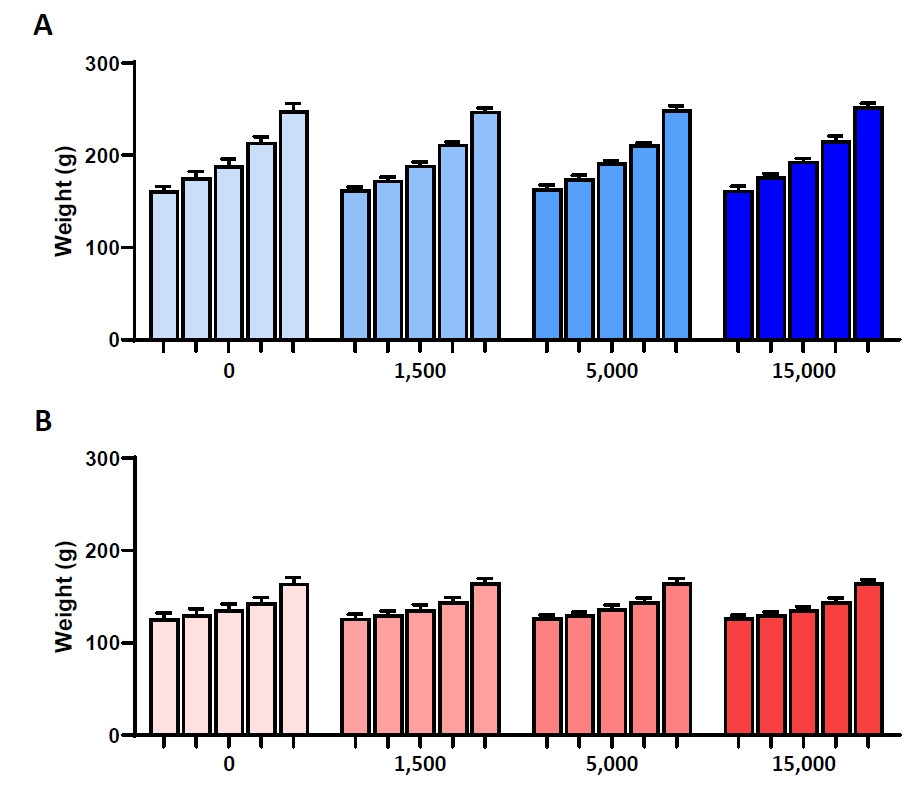
The oral toxicity of RHT3201 was evaluated through both acute and subchronic studies. To establish the baseline safety profile and determine the immediate physiological impact of high-dose exposure, we first conducted an acute oral toxicity study using Sprague-Dawley (SD) rats. This initial phase is critical for identifying potential target organs of toxicity and determining the upper safety limits for subsequent repeated-dose studies (OECD, 2008). To evaluate acute oral toxicity, RHT3201 was administered up to a maximum dose of 15,000 mg/kg delivered in two divided doses at a 2-h interval (Fig. 4). No significant differences in body weight alterations were observed between the negative control and the high-dose (15,000 mg/kg) groups for either male or female animals. Furthermore, no mortality or treatment-related clinical signs were recorded throughout the observation period. Although transient changes in stool consistency were noted in the maximum-dose groups, these symptoms were resolved spontaneously within 24 h. Collectively, the absence of significant body weight fluctuations or abnormalities during gross necropsy indicates that RHT3201 possesses a high margin of safety regarding acute oral exposure.
While the acute study confirmed that RHT3201 is well-tolerated at high single doses, evaluating the potential for cumulative toxicity and long-term systemic impact required a more rigorous, repeated-dose approach. Consequently, we initiated a 90-day subchronic toxicity study to monitor the physiological, biochemical, and histopathological effects of prolonged daily administration (OECD, 2018). RHT3201 was administered at doses up to 5,000 mg/kg/day. To assess general metabolic health, we monitored body weight and food consumption throughout the study (Fig. S1). These parameters remained largely comparable to the control group, with only negligible and transient decreases in food intake observed in the high-dose cohort, which did not impact overall growth. Furthermore, we conducted a suite of functional observations including visual, tactile, and auditory (click) responses to screen for potential neurobehavioral deficits. As shown in Table 3, no treatment-related adverse effects were observed in these functional assessments.
To gain deeper insight into the internal physiological state and detect subtle signs of organ dysfunction, we performed comprehensive hematological and biochemical analyses. These tests are essential for identifying subclinical changes in renal, hepatic, or hematopoietic function that might not manifest as overt clinical signs. Tables S2 and S3 indicated that all hematological properties and clinically significant biochemical indicators remained within normal physiological ranges, showing no significant deviation from the control group.
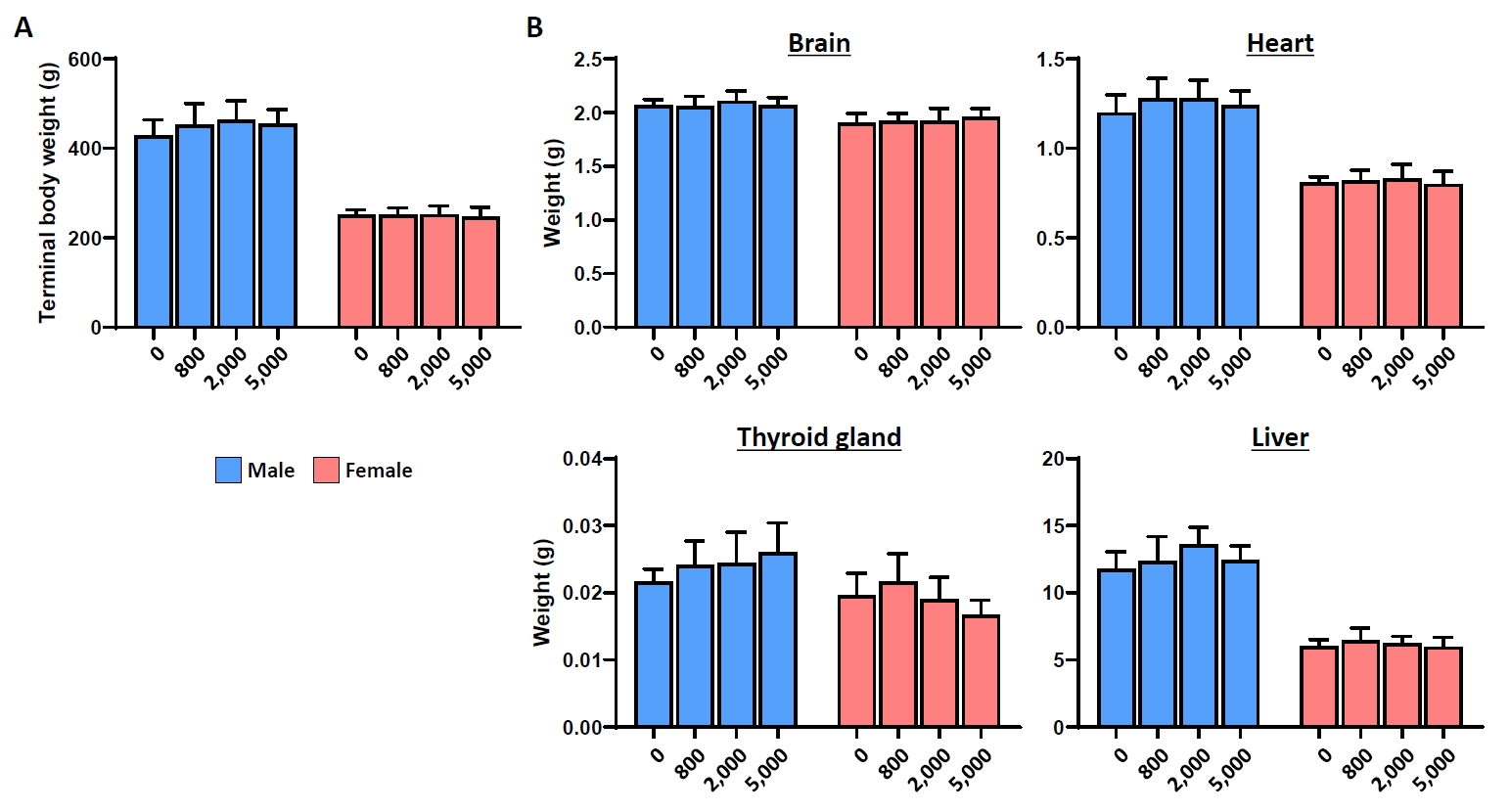
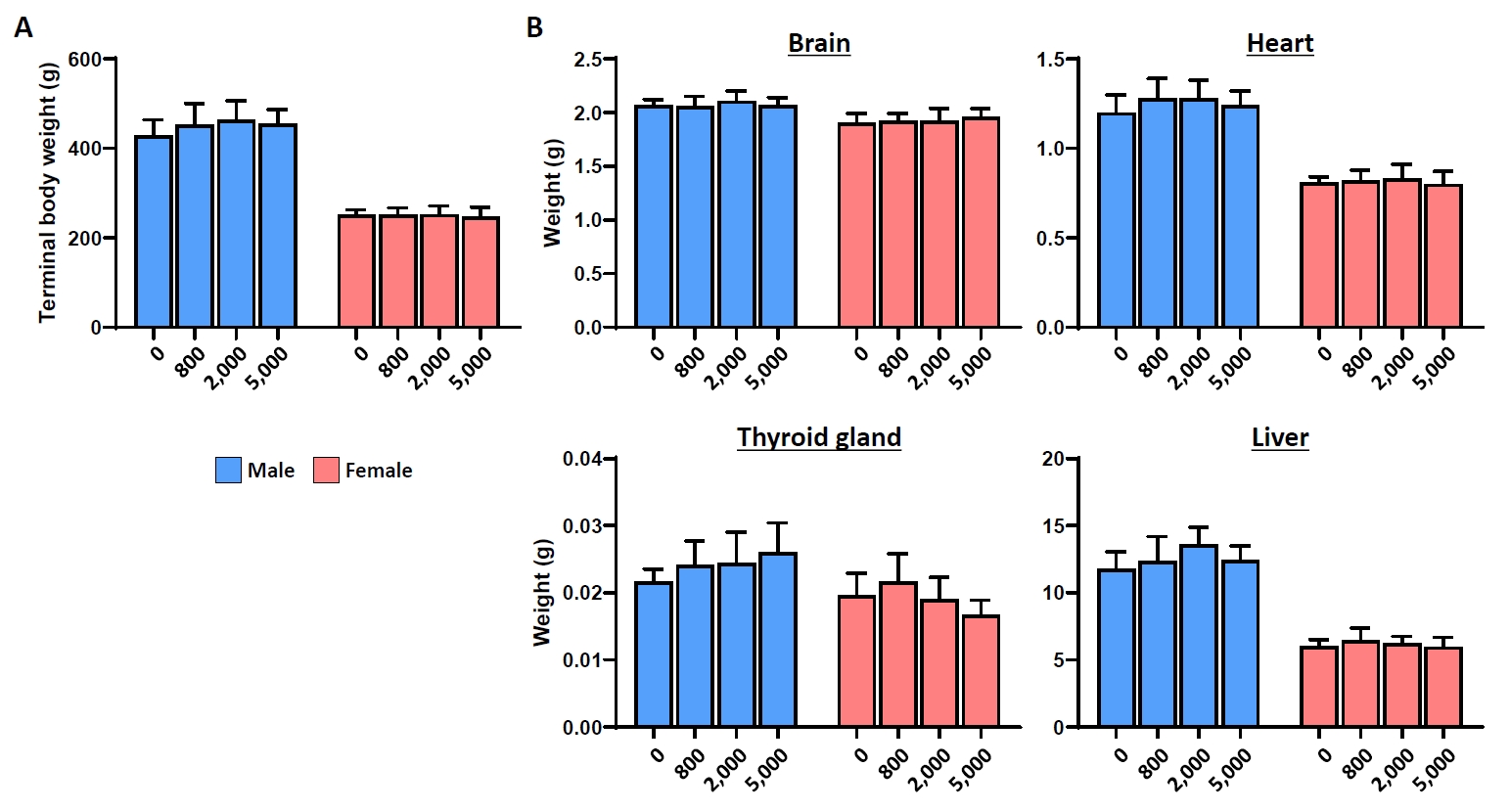
At the conclusion of the 90-day period, a terminal necropsy was performed to examine organ-specific effects. The absence of significant differences in organ weights (Fig. 5, Table 4) and the lack of macroscopic findings (Table S4) further supported the systemic safety of the compound. Finally, to ensure that no cellular-level damage was present, we conducted a thorough histopathological examination. This analysis revealed only minor, adaptive, and reversible changes that were deemed non-adverse (Table S5). Based on the cumulative evidence from both physiological monitoring and detailed pathological examinations, we concluded that repeated daily exposure to RHT3201 does not induce systemic toxicity. Consequently, the no-observed-adverse-effect-level (NOAEL) for RHT3201 was determined to be 5,000 mg/kg/day, the highest dose tested. These safety profiles support the continued development and potential therapeutic application of RHT3201.
Postbiotics have emerged as a compelling alternative to conventional probiotics, primarily due to their superior physicochemical stability and the mitigation of safety risks inherently associated with the administration of viable microorganisms (Aguilar-Toalá et al., 2018; Salminen et al., 2021; Zhao et al., 2024). In the present study, we conducted a comprehensive toxicological evaluation of RHT3201, a postbiotic derived from L. rhamnosus IDCC 3201, incorporating genomic characterization, in vitro genotoxicity assays, and in vivo subchronic oral toxicity assessments. Our findings consistently demonstrate an absence of mutagenic, clastogenic, or systemic toxicity, thereby substantiating the safety profile of RHT3201 for inclusion as a functional ingredient in human applications.
In addition to safety profiles in this study, the immunological properties of L. rhamnosus IDCC 3201 and RHT3201 have been previously investigated (Jeong et al., 2020; Kim et al., 2017; Lee et al., 2016). Preclinical studies have demonstrated that RHT3201 retains immunomodulatory activity, including regulation of cytokine production and modulation of Th1/Th2 balance (Kim et al., 2017; Plaza-Díaz et al., 2017; Taverniti and Guglielmetti, 2011). Furthermore, clinical studies in human subjects have reported beneficial effects, such as reduced serum IgE levels and improvement of allergic symptoms, without significant safety concerns (Jeong et al., 2020). These findings support the notion that RHT3201 can be advantageous over the probiotics, based on the enhanced stability during processing and storage supports its application in functional foods and related products. The safety profile observed in this study is consistent with the previously reported clinical findings and its regulatory approval as an individually recognized functional ingredient in Korea. Nevertheless, further investigations, including long-term exposure studies, would be valuable to strengthen the safety assessment under chronic conditions. Importantly, RHT3201 has already been developed as a commercial product, and its safety can be further supported through continuous quality control and post-market surveillance. Such practices ensure consistent product quality and enable ongoing confirmation of its safety profile under real-world conditions (FEEDAP, 2012; Sanders et al., 2010).
Despite the robust safety profiles established in this study, several limitations necessitate further investigation. First, while our 90-day subchronic toxicity assessment provided essential safety benchmarks, it does not fully encapsulate the physiological implications of long-term, multi-year exposure. Subsequent longitudinal studies focusing on chronic toxicity would be invaluable to further validate the safety of RHT3201 under conditions of sustained consumption. Given that RHT3201 is already accessible as a commercial product, these efforts should be supplemented by rigorous post-market surveillance and continuous quality control to ensure product consistency and safety in diverse real-world populations (EFSA Scientific Committee, 2025; Sanders et al., 2010). Second, a significant challenge remains in the molecular characterization of the preparation. As postbiotics comprise a heterogeneous mixture of inactivated cellular structures and a complex array of metabolites, the specific bioactive molecular entities responsible for the observed functional effects have not yet been fully isolated or characterized (Aguilar-Toalá et al., 2018; Wegh et al., 2019). Although our study confirms the safety of the whole preparation, future research utilizing advanced metabolomics and proteomic profiling is required to deconstruct this complexity. Identifying these individual constituents will not only refine our understanding of the underlying mechanisms of action but also facilitate a more granular safety assessment at the level of specific bioactive components. Nevertheless, the integration of genomic, genotoxic, and systemic toxicity data presented here provides a definitive safety framework for RHT3201, supporting its continued development and application as a safe, stable, and efficacious functional agent.
The online version contains supplementary material available at https://doi.org/10.71150/jm.2605002
Table S1.
Hemolysis of IDCC 3201
jm-2605002-Supplementary-Table-S1.pdf
Table S2.
Hematology and coagulation results for SD rats administered with RHT3201 for 90 daysa
jm-2605002-Supplementary-Table-S2.pdf
Table S3.
Clinical chemistry results for SD rats administered with RHT3201 for 90 daysa
jm-2605002-Supplementary-Table-S3.pdf
Table S4.
Macroscopic findings for SD rats administered with RHT3201 for 90 daysa
jm-2605002-Supplementary-Table-S4.pdf
Table S5.
Microscopic findings for SD rats administered with RHT3201 for 90 daysa
jm-2605002-Supplementary-Table-S5.pdf
Fig. S1.
Temporal changes in body weight and food consumption of SD rats in the 90-day subchronic oral toxicity study. Body weights (A and B) and food consumption (C and D) for male (A and C) and female (B and D) SD rats were monitored over the 90-day dosing period. RTH3201 was orally administered to SD rats at the following doses (mg/kg/day): 0 (empty circle), 800 (grey diamond), 2,000 (grey square), and 5,000 (filled circle). Data are presented as mean, with the error bars representing standard deviations. No statistically significant differences were observed across the treatment groups (P > 0.05).
jm-2605002-Supplementary-Fig-S1.pdf
Fig. 1.
Genomic characterization and comparative genome analysis of Lacticaseibacillus rhamnosus IDCC 3201. (A) Circular genome map of the L. rhamnosus IDCC 3201 chromosome. The illustrated circular representation delineates the structural features of the ~3.1 Mb chromosome. The map displays genomic coordinates in Mb, protein-coding sequences (CDS) on the forward strand and the reverse strand, tRNA and tmRNA genes, GC content, GC skew and regions for horizontal gene transfer (HGT*). (B) Syntenic alignment of IDCC 3201 with the reference probiotic strains. A high-resolution linear synteny plot demonstrates the chromosomal congruence and divergence between L. rhamnosus IDCC 3201 and the well-known reference strains, L. rhamnosus GG and HN001. Red interconnecting lines indicate conserved orthologous gene blocks, showing substantial conservation of the core genome and identifying strain-specific genomic regions in IDCC 3201.
jm-2605002f1.jpg
Fig. 2.
In vitro chromosomal aberration assay of RHT3201. The frequencies of cells with structural (A, B, and C) and numerical (D, E, and F) chromosomal aberrations were assessed in Chinese hamster lung (CHL/IU) cells following treatment with RHT3201 at the designated concentrations up to 5,000 μg/ml under short-term exposure (6 h) conditions in the absence (−S9) (A and D) or presence (+S9) (B and E) of metabolic activation, and under continuous exposure (24 h) conditions without metabolic activation (C and F). Percentages of the cells displaying structural aberrations excluding gaps (black bar) and including gaps (gray bar) are shown in panels A, B, and C, whereas frequencies of numerical aberrations (polyploidy) are shown in panels D, E, and F. Mitomycin C (MMC) (0.1 μg/ml for 6 h and 0.05 μg/ml for 24 h) and benzo[a]pyrene (B[a]P) (20 μg/ml for 6 h) were used as positive controls.
jm-2605002f2.jpg
Fig. 3.
In vivo bone marrow micronucleus assay for RHT3201 in male mice. Bone marrow micronucleus formation was evaluated following oral administration of RHT3201 at doses up to 15,000 mg/kg/day. The ratio of polychromatic erythrocytes [PCE/(PCE+NCE)] (A) and the frequency of micronucleated polychromatic erythrocytes (MNPCEs) (B) were determined in bone marrow cells collected 24 h after the final administration. Mitomycin C (MMC) (2 mg/kg/day) was used as the positive control.
jm-2605002f3.jpg
Fig. 4.
Body weights of male and female rats in the acute oral toxicity study of RHT3201. Body weights were monitored on days 0, 1, 3, 7, and 14 following a single oral administration of RHT3201 at the designated doses up to 15,000 mg/kg. Body weight changes in male (A) and female (B) Sprague-Dawley (SD) rats were evaluated over the 14-day post-administration observation period. The values are averaged from the three independent biological replicates and the error bars represent the standard deviations.
jm-2605002f4.jpg
Fig. 5.
Terminal body weight and absolute organ weights of male and female rats in the 90-day subchronic oral toxicity study of RHT3201. Terminal body weight (A) and the weights of representative organs including brain (B), heart (C), thyroid gland (D), and liver (E) were evaluated following oral administration of RHT3201 at the designated doses up to 5,000 mg/kg/day for 90 days in male (blue) and female (red) SD rats (Table 4). The values are averaged from the three independent biological replicates and the error bars represent the standard deviations.
jm-2605002f5.jpg
Table 1.
Genomic information of IDCC 3201 and other two Lacticaseibacillus rhamnosus strains
Strains IDCC 3201 HN001 GG
No. of contifgs 1 2 1
Plasmids 0 1 0
Genome size (bpa) 3,064,263 2,992,974 3,010,111
DNA G + Cb content (%) 46.69 46.76 46.69
No. of CDSsc 2,942 2,769 2,849
No. of rRNA genes 15 15 15
No. of tRNA genes 60 59 57
Mean of CDS lengths (bp) 836.9 903.1 851.2
Median of CDS lengths (bp) 717 786 738
Mean of intergenic lengths (bp) 137.2 154.9 131.4
Median of intergenic lengths (bp) 83 99 85
Homology with IDCC 3201 by OrthoANIe NAf 98.01% 98.25%
Homology with IDCC 3201 by TNAf NA 99.85% 99.82%

abp = base pair; bG + C = guanine + cytosine; cCDSs = coding sequences; dANI = average nucleotide identity; eTNA = tetra-nucleotide analysis; fNA = not applicable.

Table 2.
Susceptibility of the test strains to 9 antibiotics. Concentrations given as MIC in μg/ml
Strain Em Gm Ap Tc Ca Sm Cm Km Vm
FEEDAP (2012) 1 16 4 8 4 32 1 64 n.r.a
SCAN (2003) 4 1 2b 16 16 16 - 32 4b
Danielson and Wind (2003) 1 128 4 4 16 > 256 2 > 256 -
Korhonen et al. (2010) 0.5 16 8 4 - 32 1 - -
L. rhamnosus IDCC 3201 0.5 16 0.25 0.25 8 32 0.5 256 > 256
L. rhamnosus HN001 0.5 64 0.5 1 8 128 1 256 > 256
L. rhamnosus GGc 0.25 0.25 1 2 8 64 - - > 128

Values are Mean. Em, erythromycin; Gm, gentamicin; Ap, ampicillin; Tc, tetracycline; Ca, chloramphenicol; Sm, streptomycin; Cm, clindamycin; Km, kanamycin; Vm, vancomycin. an.r., not required; bNote by SCAN - Certain species are inherently resistant; cJi et al. (2003).

Table 3.
Chromosome aberration assay results for CHL/IU cells treated with RHT3201
Test item Concentration (μg/ml) RPD (%) Percent of structural aberrant cells excluding gaps (%)a Percent of structural aberrant cells including gaps (%)a Percent of numerical aberrant cells (%)a
6 h treatment without metabolic activation (6 h, -S9)
RHT3201 0 100 0.667 1.000 0.000
1,250 97.1 0.333 0.333 0.333
2,500 98.9 0.000 0.333 0.000
5,000 74.2 0.333 0.667 0.667
MMC 0.1 49.7 14.0* 14.7 0.333
6 h treatment with metabolic activation (6 h, +S9)
RHT3201 0 100 0.667 0.667 0.000
1,250 91.8 0.333 0.333 0.667
2,500 92.4 0.000 0.000 0.333
5,000 91.1 0.667 0.667 0.000
B[a]P 20 48.8 19.0* 20.0 0.667
24 h treatment without metabolic activation (24 h, -S9)
RHT3201 0 100 0.333 1.000 0.667
1,250 94.7 0.000 0.000 1.000
2,500 99.1 0.667 1.000 2.000
5,000 90.6 0.000 0.000 2.000
MMC 0.05 72.6 16.7* 17.3 0.000

Values are Mean. MMC, mitomycin C; B[a]P, benzo[a]pyrene; RPD, relative population doubling. aMean percentage of duplicate culture; total 300 metaphase cells were examined (150 cells/culture). *Significantly different from the vehicle control at P < 0.01.

Table 4.
Micronucleus assay results for ICR mice administered with RHT3201
Test item Dose (mg/kg/day) Percent of PCE/(PCE + NCE) (%) Percent of MNPCE/PCE (%)
RHT3201 0 48.9 ± 0.91 0.075 ± 0.047
3,750 47.6 ± 3.69 0.070 ± 0.041
7,500 46.5 ± 3.84 0.095 ± 0.057
15,000 49.0 ± 3.77 0.055 ± 0.048
MMC 2 35.2* ± 1.52 4.855* ± 0.359

Values are Mean ± SD. MMC, mitomycin C; PCE, polychromatic erythrocyte; NCE, normochromatic erythrocyte; MNPCE, micronucleated polychromatic erythrocyte. *Significantly different from the vehicle control at P < 0.01.

Table 5.
Functional observation battery results for SD rats administered with RHT3201 for 90 days
Dose (mg/kg/day) Visual response Touch response Click response Tail pinch response Aerial righting reflex Hindlimb landing foot splay (mm) Forelimb grip strength (g) Hindlimb grip strength (g)
Males
0 3 ± 0 3 ± 0 3 ± 0 3 ± 0 0 ± 0 65.24 ± 18.33 1385 ± 112 800 ± 54
800 3 ± 0 3 ± 0 3 ± 0 3 ± 0 0 ± 0 68.98 ± 20.14 1414 ± 149 756 ± 113
2,000 3 ± 0 3 ± 0 3 ± 0 3 ± 0 0 ± 0 70.75 ± 18.17 1488 ± 174 762 ± 62
5,000 3 ± 0 3 ± 0 3 ± 0 3 ± 0 0 ± 0 66.74 ± 12.13 1459 ± 145 745 ± 86
Dose (mg/kg/day) Ambulatory counts (minutes interval)
0–10 10–20 20–30 30–40 40–50 50–60 Total
Males
0 2020 ± 502 1156 ± 478 843 ± 669 526 ± 317 364 ± 316 437 ± 403 5346 ± 1770
800 1777* ± 376 1254 ± 436 897 ± 238 575 ± 328 424 ± 301 289 ± 312 5216 ± 1528
2,000 2399* ± 678 1422 ± 423 892 ± 417 758 ± 389 459 ± 564 327 ± 704 6256 ± 1936
5,000 2308 ± 572 1296 ± 477 673 ± 315 307 ± 335 157 ± 194 259 ± 286 5000 ± 1357
Dose (mg/kg/day) Vertical counts (minutes interval)
0–10 10–20 20–30 30–40 40–50 50–60 Total
Males
0 115 ± 25 88 ± 30 67 ± 35 54 ± 32 49 ± 46 51 ± 42 424 ± 157
800 126 ± 36 98 ± 31 78 ± 31 56 ± 25 44 ± 23 31 ± 28 432 ± 124
2,000 108 ± 24 90 ± 22 59 ± 22 49 ± 23 34 ± 31 20 ± 31 359 ± 99
5,000 107 ± 43 72 ± 36 48 ± 26 33 ± 29 15 ± 19 16 ± 18 291 ± 128
Dose (mg/kg/day) Visual response Touch response Click response Tail pinch response Aerial righting reflex Hindlimb landing foot splay (mm) Forelimb grip strength (g) Hindlimb grip strength (g)
Females
0 3 ± 0 3 ± 0 3 ± 0 3 ± 0 0 ± 0 67.61 ± 12.21 1261 ± 140 607 ± 58
800 3 ± 0 3 ± 0 3 ± 0 3 ± 0 0 ± 0 61.66 ± 16.64 1277 ± 125 564 ± 89
2,000 3 ± 0 3 ± 0 3 ± 0 3 ± 0 0 ± 0 62.42 ± 16.30 1303 ± 116 627 ± 53
5,000 3 ± 0 3 ± 0 3 ± 0 3 ± 0 0 ± 0 62.14 ± 19.73 1218 ± 148 626 ± 67
Dose (mg/kg/day) Ambulatory counts (minutes interval)
0–10 10–20 20–30 30–40 40–50 50–60 Total
Females
0 2559 ± 377 1496 ± 420 1221 ± 438 816 ± 432 542 ± 410 514 ± 304 7147 ± 1658
800 2370 ± 486 1498 ± 433 941 ± 239 568 ± 294 434 ± 358 530 ± 415 6342 ± 1174
2,000 2320 ± 478 1696 ± 448 1232 ± 405 937 ± 477 788 ± 567 478 ± 475 7451 ± 2223
5,000 2330 ± 623 1564 ± 440 950 ± 488 589 ± 422 641 ± 429 336 ± 306 6410 ± 1848
Dose (mg/kg/day) Vertical counts (minutes interval)
0–10 10–20 20–30 30–40 40–50 50–60 Total
Females
0 110 ± 21 89 ± 28 64 ± 25 47 ± 31 35 ± 22 32 ± 22 378 ± 124
800 130 ± 19 93 ± 17 67 ± 22 51 ± 30 41 ± 28 32 ± 23 414 ± 106
2,000 121 ± 23 97 ± 22 73 ± 27 43 ± 22 55 ± 36 37 ± 30 426 ± 128
5,000 103 ± 41 70 ± 29 42 ± 25 28 ± 22 39 ± 36 23 ± 20 305 ± 150

Values are Mean ± SD. Visual response 3: the animal approaches slowly and smells a stimulating bar; Touch response 3: the animal turns around slowly; Click response 3: twitching of body; Tail pinch response 3: squeaking, turning back; Aerial righting reflex 0: normal (landing on four limbs). *Significantly different from the vehicle control at P < 0.05.

Table 6.
Organ weight results for SD rats administered with RHT3201 for 90 days
Dose (mg/kg/day) Terminal body weight (g) Brain Heart Pituitary gland
g % g % g %
Males
0 429.3 ± 34.4 2.07 ± 0.05 0.49 ± 0.04 1.20 ± 0.10 0.28 ± 0.03 0.0127 ± 0.0013 0.0030 ± 0.0003
800 452.3 ± 48.6 2.06 ± 0.09 0.46 ± 0.04 1.28 ± 0.11 0.29 ± 0.02 0.0136 ± 0.0007 0.0031 ± 0.0003
2,000 463.0 ± 44.0 2.11 ± 0.09 0.46 ± 0.03 1.28 ± 0.10 0.28 ± 0.02 0.0131 ± 0.0016 0.0028 ± 0.0002
5,000 455.3 ± 31.8 2.07 ± 0.07 0.45 ± 0.04 1.24 ± 0.08 0.27 ± 0.02 0.0132 ± 0.0013 0.0029 ± 0.0003
Dose (mg/kg/day) Liver Spleen Lung Thyroid glanda
g % g % g % g %
Males
0 11.79 ± 1.27 2.75 ± 0.21 0.76 ± 0.12 0.18 ± 0.05 1.59 ± 0.12 0.37 ± 0.03 0.0216 ± 0.0019 0.0051 ± 0.0005
800 12.34 ± 1.85 2.73 ± 0.27 0.75 ± 0.12 0.17 ± 0.02 1.65 ± 0.14 0.36 ± 0.02 0.0241 ± 0.0036 0.0054 ± 0.0010
2,000 13.60* ± 1.27 2.95 ± 0.22 0.82 ± 0.15 0.18 ± 0.02 1.67 ± 0.18 0.36 ± 0.02 0.0244 ± 0.0046 0.0053 ± 0.0009
5,000 12.46 ± 1.07 2.74 ± 0.20 0.75 ± 0.08 0.16 ± 0.01 1.65 ± 0.09 0.36 ± 0.02 0.0260 ± 0.0044 0.0057 ± 0.0007
Dose (mg/kg/day) Kidney Thymus Testis Adrenal gland
g % g % g % g %
Males
0 2.69 ± 0.25 0.63 ± 0.05 0.30 ± 0.06 0.07 ± 0.01 3.79 ± 0.26 0.88 ± 0.06 0.0462 ± 0.0033 0.0108 ± 0.0011
800 2.74 ± 0.24 0.61 ± 0.05 0.30 ± 0.06 0.07 ± 0.01 4.00 ± 0.15 0.89 ± 0.09 0.0533* ± 0.0082 0.0118 ± 0.0017
2,000 2.87 ± 0.22 0.62 ± 0.05 0.31 ± 0.09 0.07 ± 0.02 3.90 ± 0.37 0.85 ± 0.08 0.0494 ± 0.0070 0.0107 ± 0.0012
5,000 2.80 ± 0.24 0.62 ± 0.05 0.32 ± 0.09 0.07 ± 0.02 3.99 ± 0.24 0.88 ± 0.05 0.0510 ± 0.0134 0.0111 ± 0.0025
Dose (mg/kg/day) Epididymis Prostateb
g % g %
Males
0 1.37 ± 0.16 0.32 ± 0.04 3.18 ± 0.38 0.74 ± 0.09
800 1.46 ± 0.08 0.32 ± 0.03 3.27 ± 0.50 0.72 ± 0.09
2,000 1.44 ± 0.17 0.31 ± 0.03 3.23 ± 0.29 0.70 ± 0.07
5,000 1.43 ± 0.13 0.31 ± 0.01 3.18 ± 0.53 0.70 ± 0.10
Dose (mg/kg/day) Terminal body weight (g) Brain Heart Pituitary gland
g % g % g %
Females
0 251.0 ± 11.7 1.90 ± 0.09 0.76 ± 0.06 0.81 ± 0.03 0.32 ± 0.02 0.0158 ± 0.0021 0.0063 ± 0.0010
800 250.6 ± 16.7 1.92 ± 0.07 0.77 ± 0.05 0.82 ± 0.06 0.33 ± 0.02 0.0166 ± 0.0029 0.0067 ± 0.0013
2,000 252.2 ± 19.0 1.92 ± 0.12 0.76 ± 0.05 0.83 ± 0.08 0.33 ± 0.02 0.0169 ± 0.0029 0.0067 ± 0.0010
5,000 246.2 ± 22.4 1.96 ± 0.08 0.80 ± 0.06 0.80 ± 0.07 0.33 ± 0.01 0.0155 ± 0.0019 0.0063 ± 0.0007
Dose (mg/kg/day) Liver Spleen Lung Thyroid glanda
g % g % g % g %
Females
0 6.02 ± 0.48 2.40 ± 0.15 0.55 ± 0.08 0.22 ± 0.03 1.19 ± 0.06 0.47 ± 0.03 0.0196 ± 0.0033 0.0078 ± 0.0015
800 6.48 ± 0.88 2.58 ± 0.28 0.56 ± 0.08 0.22 ± 0.02 1.21 ± 0.09 0.48 ± 0.02 0.0216 ± 0.0042 0.0086 ± 0.0014
2,000 6.24 ± 0.52 2.48 ± 0.18 0.60 ± 0.11 0.24 ± 0.04 1.24 ± 0.13 0.49 ± 0.03 0.0190 ± 0.0033 0.0076 ± 0.0014
5,000 5.98 ± 0.70 2.42 ± 0.15 0.54 ± 0.04 0.22 ± 0.02 1.20 ± 0.09 0.49 ± 0.02 0.0167 ± 0.0022 0.0068 ± 0.0008
Dose (mg/kg/day) Kidney Thymus Uterus Adrenal gland
g % g % g % g %
Females
0 1.61 ± 0.11 0.64 ± 0.03 0.23 ± 0.05 0.09 ± 0.02 0.62 ± 0.26 0.24 ± 0.11 0.0624 ± 0.0107 0.0249 ± 0.0044
800 1.65 ± 0.11 0.66 ± 0.05 0.22 ± 0.04 0.09 ± 0.01 0.65 ± 0.17 0.26 ± 0.07 0.0663 ± 0.0082 0.0266 ± 0.0039
2,000 1.68 ± 0.16 0.67 ± 0.06 0.23 ± 0.08 0.09 ± 0.02 0.67 ± 0.23 0.26 ± 0.08 0.0699 ± 0.0071 0.0279 ± 0.0036
5,000 1.65 ± 0.20 0.67 ± 0.06 0.23 ± 0.03 0.09 ± 0.01 0.73 ± 0.24 0.30 ± 0.10 0.0636 ± 0.0087 0.0258 ± 0.0020
Dose (mg/kg/day) Ovary
g %
Females
0 0.0818 ± 0.0105 0.0326 ± 0.0040
800 0.0828 ± 0.0115 0.0330 ± 0.0039
2,000 0.0915 ± 0.0188 0.0362 ± 0.0064
5,000 0.0869 ± 0.0181 0.0351 ± 0.0057

Values are Mean ± SD.

aOrgan weight for thyroid gland with parathyroid gland as a whole.

bOrgan weight for prostate with seminal vesicle and coagulation gland as a whole.

*Significantly different from the vehicle control at P < 0.05.

  • Aguilar-Toalá JE, Garcia-Varela R, Garcia HS, Mata-Haro V, González-Córdova AF, et al. 2018. Postbiotics: an evolving term within the functional foods field. Trends Food Sci Technol. 75: 105–114. Article
  • Chae SA, Ramakrishnan SR, Kim T, Kim SR, Bang WY, et al. 2022. Anti-inflammatory and anti-pathogenic potential of Lacticaseibacillus rhamnosus IDCC 3201 isolated from feces of breast-fed infants. Microb Pathog. 173: 105857.Article
  • CLSI, Clinical and Laboratory Standards Institute. 2026. Performance standards for antimicrobial susceptibility testing, CLSI supplement M100, 36th edn. Clinical and Laboratory Standards Institute.. Link
  • Danielsen M, Wind A. 2003. Susceptibility of Lactobacillus spp. to antimicrobial agents. Int J Food Microbiol. 82: 1–11. Article
  • EFSA Scientific Committee. 2024. EFSA statement on the requirements for whole genome sequence analysis of microorganisms intentionally used in the food chain. EFSA J. 22: e8912. ArticleLink
  • EFSA Scientific Committee. 2025. Guidance on the characterisation of microorganisms in support of the risk assessment of products used in the food chain. EFSA J. 23: e9705. Article
  • FEEDAP, EFSA Panel on Additives and Products or Substances used in Animal Feed. 2012. Guidance on the assessment of bacterial susceptibility to antimicrobials of human and veterinary importance. EFSA J. 10: 2740.ArticlePDF
  • Hill C, Guarner F, Reid G, Gibson GR, Merenstein DJ, et al. 2014. Expert consensus document: The International Scientific Association for Probiotics and Prebiotics consensus statement on the scope and appropriate use of the term probiotic. Nat Rev Gastroenterol Hepatol. 11: 506–514. ArticleLink
  • Imperial ICVJ, Ibana JA. 2016. Addressing the antibiotic resistance problem with probiotics: Reducing the risk of its double-edged sword effect. Front Microbiol. 7: 1983.Article
  • Jeong K, Kim M, Jeon SA, Kim YH, Lee S, et al. 2020. A randomized trial of Lactobacillus rhamnosus IDCC 3201 tyndallizate (RHT3201) for treating atopic dermatitis. Pediatr Allergy Immunol. 31: 783–792. ArticleLink
  • Ji Y, Kim H, Park H, Lee J, Lee H, et al. 2013. Functionality and safety of lactic bacterial strains from Korean kimchi. Food Control. 31: 467–473. Article
  • Joensen KG, Scheutz F, Lund O, Hasman H, Kaas RS, et al. 2014. Real-time whole-genome sequencing for routine typing, surveillance, and outbreak detection of verotoxigenic Escherichia coli. J Clin Microbiol. 52: 1501–1510. ArticleLink
  • Kim T, Choi SY, Bae HW, Kim HS, Jeon H, et al. 2024. Design, synthesis, and evaluation of N1, N3- dialkyldioxonaphthoimidazoliums as antibacterial agents against methicillin-resistant Staphylococcus aureus. Eur J Med Chem. 272: 116454.Article
  • Kim M, Jo MJ, Park S, Lee SB, Jang SJ, et al. 2026a. Lacticaseibacillus paracasei KBL382 contributes to the immunomodulation in THP-1 cells. J Microbiol. 64: e2509016. ArticlePDF
  • Kim H, Lee H, Bang WY, Park H, Moon JS. 2026b. Comparison of viable and heat-inactivated Lacticaseibacillus rhamnosus IDCC 3201: Anti-pathogenic, anti-inflammatory, and microbiota modulating effect. Food Sci Nutr. 14: e71780. Article
  • Kim YH, Lee B, Kang JH, Kang DJ. 2017. Development of tyndallized Lactobacillus rhamnosus IDCC 3201 with immunomodulation: Optimization, validation, and in vitro evaluation. KSBB J. 32: 271–278. Article
  • Kirkland D, Aardema M, Henderson L, Müller L. 2005. Evaluation of the ability of a battery of three in vitro genotoxicity tests to discriminate rodent carcinogens and non-carcinogens. Mutat Res. 584: 1–256. Article
  • Korhonen JM, Van Hoek AHAM, Saarela M, Huys G, Tosi L, et al. 2010. Antimicrobial susceptibility of Lactobacillus rhamnosus. Benef Microbes. 1: 75–80. Article
  • Kwon H, Nam EH, Kim H, Jo H, Bang WY, et al. 2024. Effect of Lacticaseibacillus rhamnosus IDCC 3201 on irritable bowel syndrome with constipation: a randomized, double-blind, and placebo-controlled trial. Sci Rep. 14: 22384.ArticlePDF
  • Lebeer S, Vanderleyden J, De Keersmaecker SCJ. 2008. Genes and molecules of lactobacilli supporting probiotic action. Microbiol Mol Biol Rev. 72: 728–764. ArticleLink
  • Lee ES, Song EJ, Nam YD, Lee SY. 2018. Probiotics in human health and disease: From nutribiotics to pharmabiotics. J Microbiol. 56: 773–782. ArticlePDF
  • Lee SH, Yoon JM, Kim YH, Jeong DG, Park S, et al. 2016. Therapeutic effect of tyndallized Lactobacillus rhamnosus IDCC 3201 on atopic dermatitis by down-regulation of immunoglobulin E in NC/Nga mice. Microbiol Immunol. 60: 468–476. Article
  • Lin MY, Yen CL. 1999. Antioxidative ability of lactic acid bacteria. J Agric Food Chem. 47: 1460–1466. Article
  • Liu B, Zheng D, Jin Q, Chen L, Yang J. 2019. VFDB 2019: a comparative pathogenomic platform with an interactive web interface. Nucleic Acids Res. 47: D687–D692. Article
  • OECD. 2008. Test No. 420: Acute oral toxicity - fixed dose procedure. OECD Publishing. Article
  • OECD. 2016a. Test No. 473: In vitro mammalian chromosomal aberration test. OECD Publishing. Article
  • OECD. 2016b. Test No. 474: Mammalian erythrocyte micronucleus test. OECD Publishing. Article
  • OECD. 2018. Test No. 408: Repeated dose 90-day oral toxicity study in rodents. OECD Publishing. Article
  • Ouwehand AC, Salminen S, Isolauri E. 2002. Probiotics: An overview of beneficial effects. Antonie van Leeuwenhoek. 82: 279–289. ArticlePDF
  • Piqué N, Berlanga M, Miñana-Galbis D. 2019. Health benefits of heat-killed (tyndallized) probiotics: An overview. Int J Mol Sci. 20: 2534.Article
  • Plaza-Díaz J, Ruiz-Ojeda FJ, Vilchez-Padial LM, Gil A. 2017. Evidence of the anti-inflammatory effects of probiotics and synbiotics in intestinal chronic diseases. Nutrients. 9: 555.Article
  • Salminen S, Collado MC, Endo A, Hill C, Lebeer S, et al. 2021. The ISAPP consensus statement on the definition and scope of postbiotics. Nat Rev Gastroenterol Hepatol. 18: 649–667. ArticlePDF
  • Sanders ME, Akkermans LMA, Haller D, Hammerman C, Heimbach J, et al. 2010. Safety assessment of probiotics for human use. Gut Microbes. 1: 164–185. Article
  • SCAN, Scientific Committee on Animal Nutrition. 2003. Opinion of the Scientific Committee on Animal Nutrition on the criteria for assessing the safety of micro-organisms resistant to antibiotics of human clinical and veterinary importance. European Commission, Health and Consumer Protection Directorate General. PDF
  • Song S, Kim JH, Jang SJ, Jo EJ, Lim SK, et al. 2025. Lactobacillus crispatus KBL693 alleviates atopic dermatitis symptoms through immune modulation. J Microbiol. 63: e2509005. ArticlePDF
  • Taverniti V, Guglielmetti S. 2011. The immunomodulatory properties of probiotic microorganisms beyond their viability. Genes Nutr. 6: 261–274. ArticlePDF
  • Wegh CAM, Geerlings SY, Knol J, Roeselers G, Belzer C. 2019. Postbiotics and their potential applications in early life nutrition and beyond. Int J Mol Sci. 20: 4673.Article
  • Zhao X, Zhang Z, Wang X. 2024. Unlocking the power of postbiotics: Mechanisms and applications. Cell Metab. 36: 725–744. Article

Supplementary Information

References

    Citations

    Citations to this article as recorded by  

      • ePub LinkePub Link
      • Cite this Article
        Cite this Article
        export Copy Download
        Close
        Download Citation
        Download a citation file in RIS format that can be imported by all major citation management software, including EndNote, ProCite, RefWorks, and Reference Manager.

        Format:
        • RIS — For EndNote, ProCite, RefWorks, and most other reference management software
        • BibTeX — For JabRef, BibDesk, and other BibTeX-specific software
        Include:
        • Citation for the content below
        Genotoxicity, acute and subchronic oral toxicity assessments of postbiotics of Lacticaseibacillus rhamnosus IDCC 3201
        Close
      • XML DownloadXML Download
      Figure
      Genotoxicity, acute and subchronic oral toxicity assessments of postbiotics of Lacticaseibacillus rhamnosus IDCC 3201
      Image Image Image Image Image
      Fig. 1. Genomic characterization and comparative genome analysis of Lacticaseibacillus rhamnosus IDCC 3201. (A) Circular genome map of the L. rhamnosus IDCC 3201 chromosome. The illustrated circular representation delineates the structural features of the ~3.1 Mb chromosome. The map displays genomic coordinates in Mb, protein-coding sequences (CDS) on the forward strand and the reverse strand, tRNA and tmRNA genes, GC content, GC skew and regions for horizontal gene transfer (HGT*). (B) Syntenic alignment of IDCC 3201 with the reference probiotic strains. A high-resolution linear synteny plot demonstrates the chromosomal congruence and divergence between L. rhamnosus IDCC 3201 and the well-known reference strains, L. rhamnosus GG and HN001. Red interconnecting lines indicate conserved orthologous gene blocks, showing substantial conservation of the core genome and identifying strain-specific genomic regions in IDCC 3201.
      Fig. 2. In vitro chromosomal aberration assay of RHT3201. The frequencies of cells with structural (A, B, and C) and numerical (D, E, and F) chromosomal aberrations were assessed in Chinese hamster lung (CHL/IU) cells following treatment with RHT3201 at the designated concentrations up to 5,000 μg/ml under short-term exposure (6 h) conditions in the absence (−S9) (A and D) or presence (+S9) (B and E) of metabolic activation, and under continuous exposure (24 h) conditions without metabolic activation (C and F). Percentages of the cells displaying structural aberrations excluding gaps (black bar) and including gaps (gray bar) are shown in panels A, B, and C, whereas frequencies of numerical aberrations (polyploidy) are shown in panels D, E, and F. Mitomycin C (MMC) (0.1 μg/ml for 6 h and 0.05 μg/ml for 24 h) and benzo[a]pyrene (B[a]P) (20 μg/ml for 6 h) were used as positive controls.
      Fig. 3. In vivo bone marrow micronucleus assay for RHT3201 in male mice. Bone marrow micronucleus formation was evaluated following oral administration of RHT3201 at doses up to 15,000 mg/kg/day. The ratio of polychromatic erythrocytes [PCE/(PCE+NCE)] (A) and the frequency of micronucleated polychromatic erythrocytes (MNPCEs) (B) were determined in bone marrow cells collected 24 h after the final administration. Mitomycin C (MMC) (2 mg/kg/day) was used as the positive control.
      Fig. 4. Body weights of male and female rats in the acute oral toxicity study of RHT3201. Body weights were monitored on days 0, 1, 3, 7, and 14 following a single oral administration of RHT3201 at the designated doses up to 15,000 mg/kg. Body weight changes in male (A) and female (B) Sprague-Dawley (SD) rats were evaluated over the 14-day post-administration observation period. The values are averaged from the three independent biological replicates and the error bars represent the standard deviations.
      Fig. 5. Terminal body weight and absolute organ weights of male and female rats in the 90-day subchronic oral toxicity study of RHT3201. Terminal body weight (A) and the weights of representative organs including brain (B), heart (C), thyroid gland (D), and liver (E) were evaluated following oral administration of RHT3201 at the designated doses up to 5,000 mg/kg/day for 90 days in male (blue) and female (red) SD rats (Table 4). The values are averaged from the three independent biological replicates and the error bars represent the standard deviations.
      Genotoxicity, acute and subchronic oral toxicity assessments of postbiotics of Lacticaseibacillus rhamnosus IDCC 3201
      Strains IDCC 3201 HN001 GG
      No. of contifgs 1 2 1
      Plasmids 0 1 0
      Genome size (bpa) 3,064,263 2,992,974 3,010,111
      DNA G + Cb content (%) 46.69 46.76 46.69
      No. of CDSsc 2,942 2,769 2,849
      No. of rRNA genes 15 15 15
      No. of tRNA genes 60 59 57
      Mean of CDS lengths (bp) 836.9 903.1 851.2
      Median of CDS lengths (bp) 717 786 738
      Mean of intergenic lengths (bp) 137.2 154.9 131.4
      Median of intergenic lengths (bp) 83 99 85
      Homology with IDCC 3201 by OrthoANIe NAf 98.01% 98.25%
      Homology with IDCC 3201 by TNAf NA 99.85% 99.82%
      Strain Em Gm Ap Tc Ca Sm Cm Km Vm
      FEEDAP (2012) 1 16 4 8 4 32 1 64 n.r.a
      SCAN (2003) 4 1 2b 16 16 16 - 32 4b
      Danielson and Wind (2003) 1 128 4 4 16 > 256 2 > 256 -
      Korhonen et al. (2010) 0.5 16 8 4 - 32 1 - -
      L. rhamnosus IDCC 3201 0.5 16 0.25 0.25 8 32 0.5 256 > 256
      L. rhamnosus HN001 0.5 64 0.5 1 8 128 1 256 > 256
      L. rhamnosus GGc 0.25 0.25 1 2 8 64 - - > 128
      Test item Concentration (μg/ml) RPD (%) Percent of structural aberrant cells excluding gaps (%)a Percent of structural aberrant cells including gaps (%)a Percent of numerical aberrant cells (%)a
      6 h treatment without metabolic activation (6 h, -S9)
      RHT3201 0 100 0.667 1.000 0.000
      1,250 97.1 0.333 0.333 0.333
      2,500 98.9 0.000 0.333 0.000
      5,000 74.2 0.333 0.667 0.667
      MMC 0.1 49.7 14.0* 14.7 0.333
      6 h treatment with metabolic activation (6 h, +S9)
      RHT3201 0 100 0.667 0.667 0.000
      1,250 91.8 0.333 0.333 0.667
      2,500 92.4 0.000 0.000 0.333
      5,000 91.1 0.667 0.667 0.000
      B[a]P 20 48.8 19.0* 20.0 0.667
      24 h treatment without metabolic activation (24 h, -S9)
      RHT3201 0 100 0.333 1.000 0.667
      1,250 94.7 0.000 0.000 1.000
      2,500 99.1 0.667 1.000 2.000
      5,000 90.6 0.000 0.000 2.000
      MMC 0.05 72.6 16.7* 17.3 0.000
      Test item Dose (mg/kg/day) Percent of PCE/(PCE + NCE) (%) Percent of MNPCE/PCE (%)
      RHT3201 0 48.9 ± 0.91 0.075 ± 0.047
      3,750 47.6 ± 3.69 0.070 ± 0.041
      7,500 46.5 ± 3.84 0.095 ± 0.057
      15,000 49.0 ± 3.77 0.055 ± 0.048
      MMC 2 35.2* ± 1.52 4.855* ± 0.359
      Dose (mg/kg/day) Visual response Touch response Click response Tail pinch response Aerial righting reflex Hindlimb landing foot splay (mm) Forelimb grip strength (g) Hindlimb grip strength (g)
      Males
      0 3 ± 0 3 ± 0 3 ± 0 3 ± 0 0 ± 0 65.24 ± 18.33 1385 ± 112 800 ± 54
      800 3 ± 0 3 ± 0 3 ± 0 3 ± 0 0 ± 0 68.98 ± 20.14 1414 ± 149 756 ± 113
      2,000 3 ± 0 3 ± 0 3 ± 0 3 ± 0 0 ± 0 70.75 ± 18.17 1488 ± 174 762 ± 62
      5,000 3 ± 0 3 ± 0 3 ± 0 3 ± 0 0 ± 0 66.74 ± 12.13 1459 ± 145 745 ± 86
      Dose (mg/kg/day) Ambulatory counts (minutes interval)
      0–10 10–20 20–30 30–40 40–50 50–60 Total
      Males
      0 2020 ± 502 1156 ± 478 843 ± 669 526 ± 317 364 ± 316 437 ± 403 5346 ± 1770
      800 1777* ± 376 1254 ± 436 897 ± 238 575 ± 328 424 ± 301 289 ± 312 5216 ± 1528
      2,000 2399* ± 678 1422 ± 423 892 ± 417 758 ± 389 459 ± 564 327 ± 704 6256 ± 1936
      5,000 2308 ± 572 1296 ± 477 673 ± 315 307 ± 335 157 ± 194 259 ± 286 5000 ± 1357
      Dose (mg/kg/day) Vertical counts (minutes interval)
      0–10 10–20 20–30 30–40 40–50 50–60 Total
      Males
      0 115 ± 25 88 ± 30 67 ± 35 54 ± 32 49 ± 46 51 ± 42 424 ± 157
      800 126 ± 36 98 ± 31 78 ± 31 56 ± 25 44 ± 23 31 ± 28 432 ± 124
      2,000 108 ± 24 90 ± 22 59 ± 22 49 ± 23 34 ± 31 20 ± 31 359 ± 99
      5,000 107 ± 43 72 ± 36 48 ± 26 33 ± 29 15 ± 19 16 ± 18 291 ± 128
      Dose (mg/kg/day) Visual response Touch response Click response Tail pinch response Aerial righting reflex Hindlimb landing foot splay (mm) Forelimb grip strength (g) Hindlimb grip strength (g)
      Females
      0 3 ± 0 3 ± 0 3 ± 0 3 ± 0 0 ± 0 67.61 ± 12.21 1261 ± 140 607 ± 58
      800 3 ± 0 3 ± 0 3 ± 0 3 ± 0 0 ± 0 61.66 ± 16.64 1277 ± 125 564 ± 89
      2,000 3 ± 0 3 ± 0 3 ± 0 3 ± 0 0 ± 0 62.42 ± 16.30 1303 ± 116 627 ± 53
      5,000 3 ± 0 3 ± 0 3 ± 0 3 ± 0 0 ± 0 62.14 ± 19.73 1218 ± 148 626 ± 67
      Dose (mg/kg/day) Ambulatory counts (minutes interval)
      0–10 10–20 20–30 30–40 40–50 50–60 Total
      Females
      0 2559 ± 377 1496 ± 420 1221 ± 438 816 ± 432 542 ± 410 514 ± 304 7147 ± 1658
      800 2370 ± 486 1498 ± 433 941 ± 239 568 ± 294 434 ± 358 530 ± 415 6342 ± 1174
      2,000 2320 ± 478 1696 ± 448 1232 ± 405 937 ± 477 788 ± 567 478 ± 475 7451 ± 2223
      5,000 2330 ± 623 1564 ± 440 950 ± 488 589 ± 422 641 ± 429 336 ± 306 6410 ± 1848
      Dose (mg/kg/day) Vertical counts (minutes interval)
      0–10 10–20 20–30 30–40 40–50 50–60 Total
      Females
      0 110 ± 21 89 ± 28 64 ± 25 47 ± 31 35 ± 22 32 ± 22 378 ± 124
      800 130 ± 19 93 ± 17 67 ± 22 51 ± 30 41 ± 28 32 ± 23 414 ± 106
      2,000 121 ± 23 97 ± 22 73 ± 27 43 ± 22 55 ± 36 37 ± 30 426 ± 128
      5,000 103 ± 41 70 ± 29 42 ± 25 28 ± 22 39 ± 36 23 ± 20 305 ± 150
      Dose (mg/kg/day) Terminal body weight (g) Brain Heart Pituitary gland
      g % g % g %
      Males
      0 429.3 ± 34.4 2.07 ± 0.05 0.49 ± 0.04 1.20 ± 0.10 0.28 ± 0.03 0.0127 ± 0.0013 0.0030 ± 0.0003
      800 452.3 ± 48.6 2.06 ± 0.09 0.46 ± 0.04 1.28 ± 0.11 0.29 ± 0.02 0.0136 ± 0.0007 0.0031 ± 0.0003
      2,000 463.0 ± 44.0 2.11 ± 0.09 0.46 ± 0.03 1.28 ± 0.10 0.28 ± 0.02 0.0131 ± 0.0016 0.0028 ± 0.0002
      5,000 455.3 ± 31.8 2.07 ± 0.07 0.45 ± 0.04 1.24 ± 0.08 0.27 ± 0.02 0.0132 ± 0.0013 0.0029 ± 0.0003
      Dose (mg/kg/day) Liver Spleen Lung Thyroid glanda
      g % g % g % g %
      Males
      0 11.79 ± 1.27 2.75 ± 0.21 0.76 ± 0.12 0.18 ± 0.05 1.59 ± 0.12 0.37 ± 0.03 0.0216 ± 0.0019 0.0051 ± 0.0005
      800 12.34 ± 1.85 2.73 ± 0.27 0.75 ± 0.12 0.17 ± 0.02 1.65 ± 0.14 0.36 ± 0.02 0.0241 ± 0.0036 0.0054 ± 0.0010
      2,000 13.60* ± 1.27 2.95 ± 0.22 0.82 ± 0.15 0.18 ± 0.02 1.67 ± 0.18 0.36 ± 0.02 0.0244 ± 0.0046 0.0053 ± 0.0009
      5,000 12.46 ± 1.07 2.74 ± 0.20 0.75 ± 0.08 0.16 ± 0.01 1.65 ± 0.09 0.36 ± 0.02 0.0260 ± 0.0044 0.0057 ± 0.0007
      Dose (mg/kg/day) Kidney Thymus Testis Adrenal gland
      g % g % g % g %
      Males
      0 2.69 ± 0.25 0.63 ± 0.05 0.30 ± 0.06 0.07 ± 0.01 3.79 ± 0.26 0.88 ± 0.06 0.0462 ± 0.0033 0.0108 ± 0.0011
      800 2.74 ± 0.24 0.61 ± 0.05 0.30 ± 0.06 0.07 ± 0.01 4.00 ± 0.15 0.89 ± 0.09 0.0533* ± 0.0082 0.0118 ± 0.0017
      2,000 2.87 ± 0.22 0.62 ± 0.05 0.31 ± 0.09 0.07 ± 0.02 3.90 ± 0.37 0.85 ± 0.08 0.0494 ± 0.0070 0.0107 ± 0.0012
      5,000 2.80 ± 0.24 0.62 ± 0.05 0.32 ± 0.09 0.07 ± 0.02 3.99 ± 0.24 0.88 ± 0.05 0.0510 ± 0.0134 0.0111 ± 0.0025
      Dose (mg/kg/day) Epididymis Prostateb
      g % g %
      Males
      0 1.37 ± 0.16 0.32 ± 0.04 3.18 ± 0.38 0.74 ± 0.09
      800 1.46 ± 0.08 0.32 ± 0.03 3.27 ± 0.50 0.72 ± 0.09
      2,000 1.44 ± 0.17 0.31 ± 0.03 3.23 ± 0.29 0.70 ± 0.07
      5,000 1.43 ± 0.13 0.31 ± 0.01 3.18 ± 0.53 0.70 ± 0.10
      Dose (mg/kg/day) Terminal body weight (g) Brain Heart Pituitary gland
      g % g % g %
      Females
      0 251.0 ± 11.7 1.90 ± 0.09 0.76 ± 0.06 0.81 ± 0.03 0.32 ± 0.02 0.0158 ± 0.0021 0.0063 ± 0.0010
      800 250.6 ± 16.7 1.92 ± 0.07 0.77 ± 0.05 0.82 ± 0.06 0.33 ± 0.02 0.0166 ± 0.0029 0.0067 ± 0.0013
      2,000 252.2 ± 19.0 1.92 ± 0.12 0.76 ± 0.05 0.83 ± 0.08 0.33 ± 0.02 0.0169 ± 0.0029 0.0067 ± 0.0010
      5,000 246.2 ± 22.4 1.96 ± 0.08 0.80 ± 0.06 0.80 ± 0.07 0.33 ± 0.01 0.0155 ± 0.0019 0.0063 ± 0.0007
      Dose (mg/kg/day) Liver Spleen Lung Thyroid glanda
      g % g % g % g %
      Females
      0 6.02 ± 0.48 2.40 ± 0.15 0.55 ± 0.08 0.22 ± 0.03 1.19 ± 0.06 0.47 ± 0.03 0.0196 ± 0.0033 0.0078 ± 0.0015
      800 6.48 ± 0.88 2.58 ± 0.28 0.56 ± 0.08 0.22 ± 0.02 1.21 ± 0.09 0.48 ± 0.02 0.0216 ± 0.0042 0.0086 ± 0.0014
      2,000 6.24 ± 0.52 2.48 ± 0.18 0.60 ± 0.11 0.24 ± 0.04 1.24 ± 0.13 0.49 ± 0.03 0.0190 ± 0.0033 0.0076 ± 0.0014
      5,000 5.98 ± 0.70 2.42 ± 0.15 0.54 ± 0.04 0.22 ± 0.02 1.20 ± 0.09 0.49 ± 0.02 0.0167 ± 0.0022 0.0068 ± 0.0008
      Dose (mg/kg/day) Kidney Thymus Uterus Adrenal gland
      g % g % g % g %
      Females
      0 1.61 ± 0.11 0.64 ± 0.03 0.23 ± 0.05 0.09 ± 0.02 0.62 ± 0.26 0.24 ± 0.11 0.0624 ± 0.0107 0.0249 ± 0.0044
      800 1.65 ± 0.11 0.66 ± 0.05 0.22 ± 0.04 0.09 ± 0.01 0.65 ± 0.17 0.26 ± 0.07 0.0663 ± 0.0082 0.0266 ± 0.0039
      2,000 1.68 ± 0.16 0.67 ± 0.06 0.23 ± 0.08 0.09 ± 0.02 0.67 ± 0.23 0.26 ± 0.08 0.0699 ± 0.0071 0.0279 ± 0.0036
      5,000 1.65 ± 0.20 0.67 ± 0.06 0.23 ± 0.03 0.09 ± 0.01 0.73 ± 0.24 0.30 ± 0.10 0.0636 ± 0.0087 0.0258 ± 0.0020
      Dose (mg/kg/day) Ovary
      g %
      Females
      0 0.0818 ± 0.0105 0.0326 ± 0.0040
      800 0.0828 ± 0.0115 0.0330 ± 0.0039
      2,000 0.0915 ± 0.0188 0.0362 ± 0.0064
      5,000 0.0869 ± 0.0181 0.0351 ± 0.0057
      Table 1. Genomic information of IDCC 3201 and other two Lacticaseibacillus rhamnosus strains

      abp = base pair; bG + C = guanine + cytosine; cCDSs = coding sequences; dANI = average nucleotide identity; eTNA = tetra-nucleotide analysis; fNA = not applicable.

      Table 2. Susceptibility of the test strains to 9 antibiotics. Concentrations given as MIC in μg/ml

      Values are Mean. Em, erythromycin; Gm, gentamicin; Ap, ampicillin; Tc, tetracycline; Ca, chloramphenicol; Sm, streptomycin; Cm, clindamycin; Km, kanamycin; Vm, vancomycin. an.r., not required; bNote by SCAN - Certain species are inherently resistant; cJi et al. (2003).

      Table 3. Chromosome aberration assay results for CHL/IU cells treated with RHT3201

      Values are Mean. MMC, mitomycin C; B[a]P, benzo[a]pyrene; RPD, relative population doubling. aMean percentage of duplicate culture; total 300 metaphase cells were examined (150 cells/culture). *Significantly different from the vehicle control at P < 0.01.

      Table 4. Micronucleus assay results for ICR mice administered with RHT3201

      Values are Mean ± SD. MMC, mitomycin C; PCE, polychromatic erythrocyte; NCE, normochromatic erythrocyte; MNPCE, micronucleated polychromatic erythrocyte. *Significantly different from the vehicle control at P < 0.01.

      Table 5. Functional observation battery results for SD rats administered with RHT3201 for 90 days

      Values are Mean ± SD. Visual response 3: the animal approaches slowly and smells a stimulating bar; Touch response 3: the animal turns around slowly; Click response 3: twitching of body; Tail pinch response 3: squeaking, turning back; Aerial righting reflex 0: normal (landing on four limbs). *Significantly different from the vehicle control at P < 0.05.

      Table 6. Organ weight results for SD rats administered with RHT3201 for 90 days

      Values are Mean ± SD.

      Organ weight for thyroid gland with parathyroid gland as a whole.

      Organ weight for prostate with seminal vesicle and coagulation gland as a whole.

      Significantly different from the vehicle control at P < 0.05.


      Journal of Microbiology : Journal of Microbiology
      TOP